
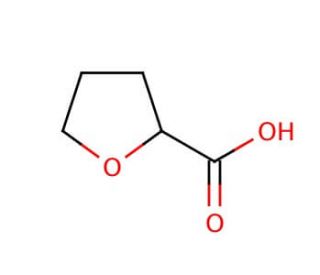

Tetrahydro-2-furoic acid (CAS 16874-33-2)
See product citations (1)
QUICK LINKS
DC-SIGN (Dendritic Cell-Specific Intercellular adhesion molecule-3-Grabbing Non-integrin), also known as CD209, is a type II transmembrane receptor primarily expressed on the surface of dendritic cells and macrophages. It plays a pivotal role in the immune system by recognizing and binding to specific carbohydrate structures on the surface of pathogens, including viruses, bacteria, and fungi. This recognition is crucial for the initiation of antigen presentation and the subsequent activation of T cells, forming an integral part of the adaptive immune response. DC-SIGN′s ability to bind to a wide range of pathogens, including HIV-1, Ebola, and Dengue virus, underscores its significance in pathogen recognition and immune defense mechanisms. Beyond pathogen recognition, DC-SIGN is involved in modulating immune responses through its signaling pathways; it can either enhance or dampen immune responses depending on the context and type of interaction. The signaling cascades triggered by DC-SIGN include activation of NF-κB and other transcription factors, influencing cytokine production, cell migration, and other immune regulatory functions, thereby playing a complex role in shaping the immune response. Targeting DC-SIGN/CD209 for disruption or inhibition using small molecules allows for a detailed mechanistic characterization of this crucial immune receptor. By using these inhibitors, researchers can explore how DC-SIGN/CD209 mediates the recognition and binding of various pathogens, including viruses and bacteria, and how this affects the subsequent immune response. These small molecules can help delineate the role of DC-SIGN/CD209 in antigen presentation and T cell activation, key processes in adaptive immunity. By observing changes in immune responses when DC-SIGN/CD209 is inhibited, scientists can gain insights into the receptor′s role in modulating immune cell signaling, cytokine production, and cell migration.
Tetrahydro-2-furoic acid (CAS 16874-33-2) References
- Proline modulates the intracellular redox environment and protects mammalian cells against oxidative stress. | Krishnan, N., et al. 2008. Free Radic Biol Med. 44: 671-81. PMID: 18036351
- Involvement of proline oxidase (PutA) in programmed cell death of Xanthomonas. | Wadhawan, S., et al. 2014. PLoS One. 9: e96423. PMID: 24788936
- Rotational spectroscopy of chiral tetrahydro-2-furoic acid: Conformational landscape, conversion, and abundances. | Xie, F., et al. 2018. J Chem Phys. 149: 224306. PMID: 30553266
- Covalent Modification of the Flavin in Proline Dehydrogenase by Thiazolidine-2-Carboxylate. | Campbell, AC., et al. 2020. ACS Chem Biol. 15: 936-944. PMID: 32159324
- Proline Protects Boar Sperm against Oxidative Stress through Proline Dehydrogenase-Mediated Metabolism and the Amine Structure of Pyrrolidine. | Feng, C., et al. 2020. Animals (Basel). 10: PMID: 32883027
- Conformational Landscape, Chirality Recognition and Chiral Analyses: Rotational Spectroscopy of Tetrahydro-2-Furoic Acid⋅⋅⋅Propylene Oxide Conformers. | Xie, F., et al. 2021. Chemphyschem. 22: 455-460. PMID: 33453085
- Modifying conformational distribution of chiral tetrahydro-2-furoic acid through its interaction with water: a rotational spectroscopic and theoretical investigation. | Xie, F., et al. 2021. Phys Chem Chem Phys. 23: 3820-3825. PMID: 33533340
- Matrix Isolation-Vibrational Circular Dichroism Spectroscopic Study of Conformations and Non-Covalent Interactions of Tetrahydro-2-Furoic Acid. | Yang, Y., et al. 2021. Chemphyschem. 22: 1336-1343. PMID: 33945674
- Structure, biochemistry, and gene expression patterns of the proline biosynthetic enzyme pyrroline-5-carboxylate reductase (PYCR), an emerging cancer therapy target. | Bogner, AN., et al. 2021. Amino Acids. 53: 1817-1834. PMID: 34003320
- Probing the function of a ligand-modulated dynamic tunnel in bifunctional proline utilization A (PutA). | Korasick, DA., et al. 2021. Arch Biochem Biophys. 712: 109025. PMID: 34506758
- Evidence for Proline Catabolic Enzymes in the Metabolism of Thiazolidine Carboxylates. | Mao, Y., et al. 2021. Biochemistry. 60: 3610-3620. PMID: 34752700
- Tea polyphenol epigallocatechin-3-gallate inhibits cell proliferation in a patient-derived triple-negative breast cancer xenograft mouse model via inhibition of proline-dehydrogenase-induced effects. | Lee, WJ., et al. 2021. J Food Drug Anal. 29: 113-127. PMID: 35696218
- Structure-based engineering of minimal proline dehydrogenase domains for inhibitor discovery. | Bogner, AN., et al. 2022. Protein Eng Des Sel. 35: PMID: 36448708
Ordering Information
| Product Name | Catalog # | UNIT | Price | Qty | FAVORITES | |
Tetrahydro-2-furoic acid, 5 g | sc-253674 | 5 g | $41.00 |