
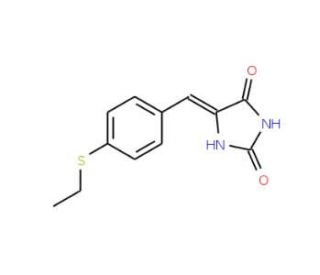

S-PMH
QUICK LINKS
S-PMH, or S-Phenylmercapturic acid, is a critical metabolite used in biochemical and environmental health research to assess human exposure to benzene, a commonly used industrial solvent known for its potential toxicity. Benzene exposure is metabolized in the liver through enzymatic action, primarily involving cytochrome P450 enzymes, which convert benzene into various intermediates, eventually leading to the formation of S-PMH. This metabolite is then excreted in urine, serving as a reliable biomarker for assessing benzene exposure levels. Research utilizing S-PMH focuses on understanding the metabolism of benzene and its kinetic profile in the human body, offering insights into how different levels of exposure affect metabolic pathways. This is particularly relevant in occupational health where monitoring benzene exposure is crucial due to its carcinogenic properties. By quantifying S-PMH in urine samples, researchers can gauge the extent of exposure and study the potential health impacts related to benzene, thereby contributing to the development of better safety protocols and exposure limits in workplaces and environments where benzene is prevalent. This approach is crucial in enhancing our understanding of environmental toxins and their impact on human health, avoiding any direct clinical or therapeutic applications.
S-PMH References
- Discovery, design, and synthesis of anti-metastatic lead phenylmethylene hydantoins inspired by marine natural products. | Mudit, M., et al. 2009. Bioorg Med Chem. 17: 1731-8. PMID: 19195897
- Identification of a small molecule class to enhance cell-cell adhesion and attenuate prostate tumor growth and metastasis. | Shah, GV., et al. 2009. Mol Cancer Ther. 8: 509-20. PMID: 19276166
- Phenyl-methylene hydantoins alter CD44-specific ligand binding of benign and malignant prostate cells and suppress CD44 isoform expression. | Yang, K., et al. 2010. Am J Transl Res. 2: 88-94. PMID: 20182585
- Biological activity of hydantoin derivatives on P-glycoprotein (ABCB1) of mouse lymphoma cells. | Spengler, G., et al. 2010. Anticancer Res. 30: 4867-71. PMID: 21187464
Ordering Information
| Product Name | Catalog # | UNIT | Price | Qty | FAVORITES | |
S-PMH, 5 mg | sc-311527 | 5 mg | $89.00 |