
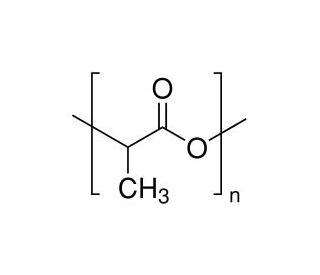

Polylactic acid (CAS 26100-51-6)
QUICK LINKS
Polylactic acid is a biodegradable polymer that functions as a sustainable alternative to traditional plastics. It is derived from renewable resources and has a mechanism of action that involves forming strong, durable materials through polymerization. In experimental applications, it can be used to create biodegradable packaging, disposable tableware, and other environmentally friendly products. Its mechanism of action involves interacting with other compounds to form stable, long-lasting structures, making it a versatile option for various research and development applications. Polylactic acid′s functional role lies in its ability to contribute to the development of eco-friendly materials without relying on non-renewable resources.
Polylactic acid (CAS 26100-51-6) References
- Polylactic acid: synthesis and biomedical applications. | Singhvi, MS., et al. 2019. J Appl Microbiol. 127: 1612-1626. PMID: 31021482
- Review of Recent Advances in Polylactic Acid/TiO2 Composites. | Kaseem, M., et al. 2019. Materials (Basel). 12: PMID: 31703262
- Actinobacteria as Promising Candidate for Polylactic Acid Type Bioplastic Degradation. | Butbunchu, N. and Pathom-Aree, W. 2019. Front Microbiol. 10: 2834. PMID: 31921021
- Synthesis and Biological Application of Polylactic Acid. | Li, G., et al. 2020. Molecules. 25: PMID: 33138232
- Polylactic acid production from biotechnological routes: A review. | de Albuquerque, TL., et al. 2021. Int J Biol Macromol. 186: 933-951. PMID: 34273343
- A Review on Synthesis, Properties, and Applications of Polylactic Acid/Silica Composites. | Kaseem, M., et al. 2021. Polymers (Basel). 13: PMID: 34577936
- Natural Fiber-Reinforced Polylactic Acid, Polylactic Acid Blends and Their Composites for Advanced Applications. | Ilyas, RA., et al. 2022. Polymers (Basel). 14: PMID: 35012228
- A Review of Polylactic Acid as a Replacement Material for Single-Use Laboratory Components. | Freeland, B., et al. 2022. Materials (Basel). 15: PMID: 35591324
- Critical Review on Polylactic Acid: Properties, Structure, Processing, Biocomposites, and Nanocomposites. | Ranakoti, L., et al. 2022. Materials (Basel). 15: PMID: 35744371
- Comparison of polylactic acid biodegradation ability of Brevibacillus brevis and Bacillus amyloliquefaciens and promotion of PLA biodegradation by soytone. | Yu, J., et al. 2022. Biodegradation. 33: 477-487. PMID: 35788449
- Polylactic Acid-Glass Fiber Composites: Structural, Thermal, and Electrical Properties. | Klaser, T., et al. 2022. Polymers (Basel). 14: PMID: 36235959
- Effect of Biomass as Nucleating Agents on Crystallization Behavior of Polylactic Acid. | Shi, K., et al. 2022. Polymers (Basel). 14: PMID: 36297883
- Self-assembled polylactic acid (PLA): Synthesis, properties and biomedical applications. | Chen, T., et al. 2022. Front Chem. 10: 1107620. PMID: 36688028
Ordering Information
| Product Name | Catalog # | UNIT | Price | Qty | FAVORITES | |
Polylactic acid, 1 g | sc-255440 | 1 g | $175.00 | |||
Polylactic acid, 5 g | sc-255440A | 5 g | $588.00 |