
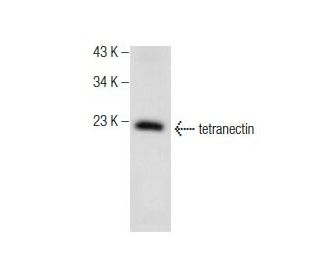


mouse lung extract: sc-2390
- 500 µg protein in 200 µl SDS-PAGE Western blotting buffer
- Western blotting positive control
- recommended use is 50 µg (20 µl) per lane
- extracts should be stored at -20°C and repeated freezing and thawing should be minimized
- sample vial should be placed at 95° C for up to 5 minutes, once prior to use

QUICK LINKS
SEE ALSO...
Mouse lung extract, derived from the lung tissue of mice, has been widely utilized in scientific research to investigate various biological mechanisms related to respiratory physiology and lung biology. This extract contains a complex mixture of proteins, enzymes, lipids, and other cellular components obtained from the lungs, the primary organs involved in respiration and gas exchange. The specific mechanisms of action associated with mouse lung extract are diverse and complex. Researchers have employed this extract to study lung development, pulmonary cell differentiation, and the regulation of inflammatory processes in the lungs. By exposing lung cell cultures or experimental models to mouse lung extract, scientists have gained valuable insights into the effects of its constituents on cellular processes, such as epithelial cell function, immune cell activation, and cytokine signaling pathways in the lung. Additionally, this extract has been used to explore the role of specific proteins or molecules present in the lungs in various respiratory contexts. The use of mouse lung extract in research has contributed significantly to our understanding of lung physiology, respiratory diseases, and the complex interplay of cellular components within the lung tissue. It continues to be an invaluable tool for investigating fundamental aspects of respiratory biology, elucidating lung-specific mechanisms, and unravelling the complexities of pulmonary function.
mouse lung extract References:
- Identification of a novel acidic mammalian chitinase distinct from chitotriosidase. | Boot, RG., et al. 2001. J Biol Chem. 276: 6770-8. PMID: 11085997
- Comparison of distinct protein isoforms of the receptor for advanced glycation end-products expressed in murine tissues and cell lines. | Gefter, JV., et al. 2009. Cell Tissue Res. 337: 79-89. PMID: 19415334
- Antigenic structure of influenza viruses; the preparation of elementary body suspensions and the nature of the complement-fixing antigen. | Hoyle, L. and Fairbrother, RW. 1937. J Hyg (Lond). 37: 512-20. PMID: 20475399
- Further observations on red cell agglutinating agent present in lungs of virus-infected mice. | MILLS, KC. and DOCHEZ, AR. 1945. Proc Soc Exp Biol Med. 60: 141-3. PMID: 21004060
- Artificial induction of subcutaneous nodules in rheumatic fever. | MIRSKY, IA. 1945. Proc Soc Exp Biol Med. 60: 143-5. PMID: 21004061
- A phorbol ester receptor/protein kinase, nPKC eta, a new member of the protein kinase C family predominantly expressed in lung and skin. | Osada, S., et al. 1990. J Biol Chem. 265: 22434-40. PMID: 2266135
- Raf and PI3K are the molecular targets for the anti-metastatic effect of luteolin. | Kim, HY., et al. 2013. Phytother Res. 27: 1481-8. PMID: 23172826
- Chlamydia pneumoniae infection of lungs and macrophages indirectly stimulates the phenotypic conversion of smooth muscle cells and mesenchymal stem cells: potential roles in vascular calcification and fibrosis. | Cabbage, S., et al. 2014. Pathog Dis. 72: 61-9. PMID: 24833344
- Synthesis and Characterization of a Phosphate Prodrug of Isoliquiritigenin. | Boyapelly, K., et al. 2017. J Nat Prod. 80: 879-886. PMID: 28252963
- Growth stimulating activity of lung extract on lung-colonizing colon 26 clones and its partial characterization. | Yamori, T., et al. 1988. Clin Exp Metastasis. 6: 131-9. PMID: 3345612
- Changes in procoagulant and fibrinolytic gene expression during bleomycin-induced lung injury in the mouse. | Olman, MA., et al. 1995. J Clin Invest. 96: 1621-30. PMID: 7544811
- Antiasthmatic activity of a macrolide antibiotic, roxithromycin: analysis of possible mechanisms in vitro and in vivo. | Konno, S., et al. 1994. Int Arch Allergy Immunol. 105: 308-16. PMID: 7920033
- MDC9, a widely expressed cellular disintegrin containing cytoplasmic SH3 ligand domains. | Weskamp, G., et al. 1996. J Cell Biol. 132: 717-26. PMID: 8647900
- Mutations in the hemagglutinin and matrix genes of a virulent influenza virus variant, A/FM/1/47-MA, control different stages in pathogenesis. | Smeenk, CA., et al. 1996. Virus Res. 44: 79-95. PMID: 8879138
- The matrix attachment region-binding protein SATB1 participates in negative regulation of tissue-specific gene expression. | Liu, J., et al. 1997. Mol Cell Biol. 17: 5275-87. PMID: 9271405
Ordering Information
| Product Name | Catalog # | UNIT | Price | Qty | FAVORITES | |
mouse lung extract | sc-2390 | 500 µg/200 µl | $120.00 |