
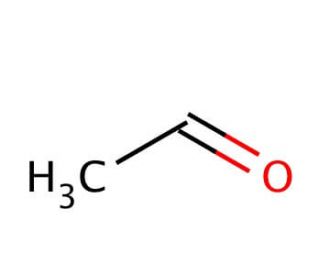

Metaldehyde (CAS 9002-91-9)
QUICK LINKS
Metaldehyde is a chemical that functions as a molluscicide, targeting and controlling mollusks such as slugs and snails. Its mechanism of action involves disrupting the normal functioning of the mollusks′ nervous system, leading to paralysis and ultimately death. When ingested by the mollusks, metaldehyde interferes with the production of neurotransmitters, causing excessive stimulation of the nervous system. This results in a loss of coordination and muscle control, leading to the eventual demise of the targeted pests. Metaldehyde′s mechanism of action at the molecular level involves its interaction with specific receptors in the nervous system, leading to the disruption of normal neurotransmission processes. This ultimately leads to the desired effect of controlling the population of mollusks in the experimental context.
Metaldehyde (CAS 9002-91-9) References
- Isolation and characterization of metaldehyde-degrading bacteria from domestic soils. | Thomas, JC., et al. 2017. Microb Biotechnol. 10: 1824-1829. PMID: 28707368
- Metaldehyde Poisoning of Companion Animals: A Three-year Retrospective Study. | De Roma, A., et al. 2017. J Vet Res. 61: 307-311. PMID: 29978088
- From full-scale biofilters to bioreactors: Engineering biological metaldehyde removal. | Rolph, CA., et al. 2019. Sci Total Environ. 685: 410-418. PMID: 31176226
- Ubiquity of microbial capacity to degrade metaldehyde in dissimilar agricultural, allotment and garden soils. | Balashova, N., et al. 2020. Sci Total Environ. 704: 135412. PMID: 31837843
- Degradation of Metaldehyde in Aqueous Solution by Nano-Sized Photocatalysts and Granular Activated Carbon. | Kim, JK., et al. 2020. J Nanosci Nanotechnol. 20: 4505-4508. PMID: 31968507
- Fatal metaldehyde poisoning in a dog confirmed by gas chromatography. | Botelho, AFM., et al. 2020. BMC Vet Res. 16: 139. PMID: 32414366
- The effects of metaldehyde on non-target aquatic macroinvertebrates: Integrating field and laboratory-based evidence. | Gething, KJ., et al. 2020. Environ Pollut. 265: 115015. PMID: 32563145
- The Fate of Deroceras reticulatum Following Metaldehyde Poisoning. | Campbell, A., et al. 2021. Insects. 12: PMID: 33924331
- Highly variable soil dissipation of metaldehyde can explain its environmental persistence and mobility. | Keighley, N., et al. 2021. Chemosphere. 283: 131165. PMID: 34182634
- Trends in metaldehyde concentrations and fluxes in a lowland, semi-agricultural catchment in the UK (2008-2018). | Balashova, N., et al. 2021. Sci Total Environ. 795: 148858. PMID: 34237530
- Molecular docking and spectral shift supported toxicity profile of metaldehyde mollucide and the toxicity-reducing effects of bitter melon extract. | Macar, O., et al. 2022. Pestic Biochem Physiol. 187: 105201. PMID: 36127072
- Dissemination of metaldehyde catabolic pathways is driven by mobile genetic elements in Proteobacteria. | Castro-Gutierrez, V., et al. 2022. Microb Genom. 8: PMID: 36301081
- Assessing the combined toxic effects of metaldehyde mollucide. | Macar, O., et al. 2023. Sci Rep. 13: 4888. PMID: 36966255
Ordering Information
| Product Name | Catalog # | UNIT | Price | Qty | FAVORITES | |
Metaldehyde, 1 g | sc-250311 | 1 g | $100.00 |