
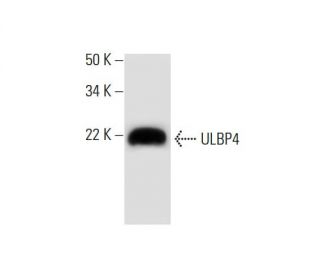


human skin extract: sc-363777
- 500 µg protein in 200 µl SDS-PAGE Western blotting buffer
- Western blotting positive control
- recommended use is 50 µg (20 µl) per lane
- extracts should be stored at -20°C and repeated freezing and thawing should be minimized
- sample vial should be placed at 95° C for up to 5 minutes, once prior to use
- Not available in Germany.

QUICK LINKS
SEE ALSO...
Human skin extract, derived from human skin tissue, serves as a valuable resource in scientific research, particularly in dermatology and skin biology. This extract provides researchers with a comprehensive understanding of the cellular and molecular mechanisms underlying skin physiology and pathology. Mechanistically, human skin extract contains a complex mixture of proteins, lipids, and other bioactive molecules that contribute to various cellular processes such as cell proliferation, differentiation, and immune responses. Researchers utilize human skin extract to study the interactions between skin cells, extracellular matrix components, and environmental factors, elucidating the molecular pathways involved in skin development, wound healing, and skin aging. Furthermore, human skin extract has been instrumental in investigating the pathogenesis of skin disorders such as psoriasis, eczema, and skin cancer, facilitating the discovery of novel targets and the development of innovative treatments. Additionally, this extract is used in cosmetic research to evaluate the efficacy and safety of skincare products and ingredients. Overall, human skin extract serves as a valuable tool for advancing our understanding of skin biology and disease mechanisms, ultimately leading to the development of improved diagnostic and strategies for various skin conditions.
human skin extract References:
- The activity of fatty acid synthase of epidermal keratinocytes is regulated in the lower stratum spinousum and the stratum basale by local inflammation rather than by circulating hormones. | Uchiyama, N., et al. 2000. J Dermatol Sci. 24: 134-41. PMID: 11064249
- L-lactic acid: a human-signifying host cue for the anthropophilic mosquito Anopheles gambiae. | Dekker, T., et al. 2002. Med Vet Entomol. 16: 91-8. PMID: 11963986
- Molecular forms of NGF in human and rat neuropathic tissues: decreased NGF precursor-like immunoreactivity in human diabetic skin. | Yiangou, Y., et al. 2002. J Peripher Nerv Syst. 7: 190-7. PMID: 12365567
- Proteolytic activation of matrix metalloproteinase-9 in skin wound healing is inhibited by alpha-1-antichymotrypsin. | Han, YP., et al. 2008. J Invest Dermatol. 128: 2334-42. PMID: 18401426
- Autoantigens for IgA anti-intercellular antibodies of intercellular IgA vesiculopustular dermatosis. | Ebihara, T., et al. 1991. J Invest Dermatol. 97: 742-5. PMID: 1940448
- Molecular identification of major and minor bullous pemphigoid antigens. | Zhu, XJ., et al. 1990. J Am Acad Dermatol. 23: 876-80. PMID: 2254473
- Detection of pemphigus vulgaris antigen on COLO and SCaBER tumor cell lines by the immunoblot technique. | Mirza, NM., et al. 1990. Arch Dermatol Res. 282: 418-20. PMID: 2260885
- The chemical stimuli of human skin surface for the attachment response of Schistosoma mansoni cercariae. | Granzer, M. and Haas, W. 1986. Int J Parasitol. 16: 575-9. PMID: 3804568
- Demonstration of a tissue specific inhibitor of mitosis of human epidermal cells in vitro. | Chopra, DP., et al. 1972. J Invest Dermatol. 59: 207-10. PMID: 4262392
- Immunological study of pustulosis palmaris et plantaris. Blastoid transformation of tonsil and peripheral blood lymphocytes by stimulation with human skin extract. | Tanaka, N., et al. 1983. Acta Otolaryngol Suppl. 401: 68-74. PMID: 6607584
- Comparison of an indirect immunofluorescence assay and a modified sensitive immunoblot assay for the study of the autoantibody in pemphigus vulgaris. | Mohimen, A. and Ahmed, AR. 1995. Arch Dermatol Res. 287: 202-8. PMID: 7763092
- The 97 kDa linear IgA bullous disease antigen is identical to a portion of the extracellular domain of the 180 kDa bullous pemphigoid antigen, BPAg2. | Zone, JJ., et al. 1998. J Invest Dermatol. 110: 207-10. PMID: 9506436
- Immunoblot Assay is Still Useful For the Serological Diagnosis of Autoimmune Bullous Dermatosis | D. Bertin, C. Leonnet, P. Berbis, D. Gilbert, M. A. Richard, F. Carsuzaa, J. J. Grob, S. Desplat-Jego. 2012. The Open Autoimmunity Journal. 4: 1-3.
Ordering Information
| Product Name | Catalog # | UNIT | Price | Qty | FAVORITES | |
human skin extract | sc-363777 | 500 µg/200 µl | $120.00 |