
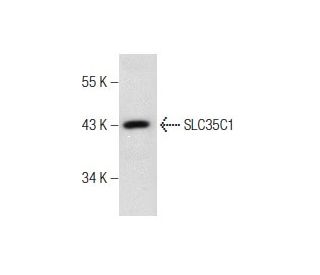

human esophagus extract: sc-363760
- 500 µg protein in 200 µl SDS-PAGE Western blotting buffer
- Western blotting positive control
- recommended use is 50 µg (20 µl) per lane
- extracts should be stored at -20°C and repeated freezing and thawing should be minimized
- sample vial should be placed at 95° C for up to 5 minutes, once prior to use
- Not available in Germany.

QUICK LINKS
SEE ALSO...
Human esophagus extract is sourced from the esophagus, a muscular tube that conveys food and liquids from the throat to the stomach. This extract is rich in various cellular components, including smooth muscle cells, epithelial cells, and connective tissues, which are integral to studying the fundamental structural and functional properties of the esophagus. The extraction process typically involves carefully dissecting esophageal tissue from donated cadavers, followed by homogenization and centrifugation to isolate specific proteins and other biochemical substances. In research, human esophagus extract is used to understand the complex biomechanics of swallowing and peristalsisthe coordinated muscle contractions that move food through the digestive tract. Additionally, it provides a critical tool for examining the cellular architecture and integrity of the esophageal lining, focusing on how these structures withstand various mechanical and chemical stresses. Researchers also employ this extract to study the intercellular signaling and repair mechanisms within esophageal tissue, which are vital for maintaining tissue health and responding to injuries. Through these studies, human esophagus extract contributes substantially to our understanding of gastrointestinal biology, offering insights into the physiological processes that enable efficient digestion and the maintenance of tissue homeostasis.
human esophagus extract References:
- Isolation and characterization of antigens reactive with pemphigus antibodies. | Shu, SY. and Beutner, EH. 1973. J Invest Dermatol. 61: 270-6. PMID: 4584175
- Development of antibodies in response to immunization with heterologous skin. | Walzer, RA., et al. 1966. Arch Dermatol. 93: 758-62. PMID: 5326717
Ordering Information
| Product Name | Catalog # | UNIT | Price | Qty | FAVORITES | |
human esophagus extract | sc-363760 | 500 µg/200 µl | $120.00 |