
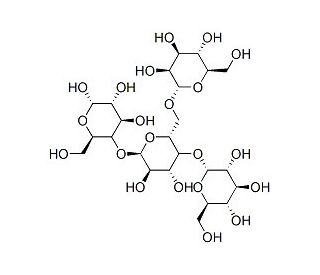

Glycogen (CAS 9005-79-2)
See product citations (6)
QUICK LINKS
Glycogen, a highly branched polysaccharide composed of glucose units, serves as a crucial energy storage molecule in living organisms, particularly in animals and fungi. In scientific research, glycogen is studied for its role in energy metabolism and its significance in various physiological processes. One key aspect of glycogen research revolves around its regulation and metabolism within cells. Glycogen synthesis and degradation are tightly regulated processes orchestrated by enzymes such as glycogen synthase and glycogen phosphorylase. Understanding the molecular mechanisms governing these processes provides insights into metabolic disorders such as glycogen storage diseases and diabetes. Moreover, glycogen serves as a model system for studying enzyme kinetics and cellular signaling pathways. Researchers utilize glycogen metabolism as a tool to investigate the regulation of enzyme activity and the impact of signaling molecules on cellular metabolism.In addition to its role in energy storage, glycogen also influences cellular architecture and function. In certain cell types, glycogen granules serve as structural elements or reservoirs of glucose for rapid energy release during times of high metabolic demand.
Glycogen (CAS 9005-79-2) References
- Postexercise glucose uptake and glycogen synthesis in skeletal muscle from GLUT4-deficient mice. | Ryder, JW., et al. 1999. FASEB J. 13: 2246-56. PMID: 10593872
- High rates of muscle glycogen resynthesis after exhaustive exercise when carbohydrate is coingested with caffeine. | Pedersen, DJ., et al. 2008. J Appl Physiol (1985). 105: 7-13. PMID: 18467543
- Skeletal muscle cellularity and glycogen distribution in the hypermuscular Compact mice. | Kocsis, T., et al. 2014. Eur J Histochem. 58: 2353. PMID: 25308840
- Novel method for detection of glycogen in cells. | Skurat, AV., et al. 2017. Glycobiology. 27: 416-424. PMID: 28077463
- Diurnal changes of glycogen molecular structure in healthy and diabetic mice. | Hu, Z., et al. 2018. Carbohydr Polym. 185: 145-152. PMID: 29421051
- Glycogen distribution in mouse hippocampus. | Hirase, H., et al. 2019. J Neurosci Res. 97: 923-932. PMID: 30675919
- Mice with Whole-Body Disruption of AMPK-Glycogen Binding Have Increased Adiposity, Reduced Fat Oxidation and Altered Tissue Glycogen Dynamics. | Janzen, NR., et al. 2021. Int J Mol Sci. 22: PMID: 34502525
- Effects of post-exercise glucose ingestion at different solution temperatures on glycogen repletion in mice. | Matsunaga, Y., et al. 2021. Physiol Rep. 9: e15041. PMID: 34553503
- Increased glycogen accumulation in transgenic mice overexpressing glycogen synthase in skeletal muscle. | Manchester, J., et al. 1996. Proc Natl Acad Sci U S A. 93: 10707-11. PMID: 8855244
Ordering Information
| Product Name | Catalog # | UNIT | Price | Qty | FAVORITES | |
Glycogen, 1 ml | sc-203976 | 1 ml | $235.00 |