
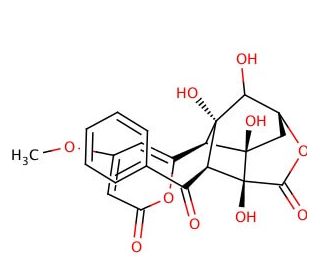

Enterocin (CAS 59678-46-5)
QUICK LINKS
Enterocin, a bacteriocin produced by certain strains of Enterococcus bacteria, has garnered significant attention in scientific research due to its unique mechanism of action and potential applications in food preservation and microbial ecology studies. Mechanistically, enterocin exerts its antimicrobial activity by disrupting the integrity of the cytoplasmic membrane of susceptible bacteria. Specifically, enterocin forms pores or channels in the bacterial membrane, leading to leakage of intracellular components, depolarization of the membrane, and ultimately, bacterial cell death. This mechanism of action distinguishes enterocin from conventional antibiotics and renders it effective against a wide range of gram-positive bacteria, including foodborne pathogens and spoilage organisms. In research, enterocin has been widely studied for its role in inhibiting the growth of pathogenic bacteria in food matrices, such as meat, dairy products, and fermented foods, thereby extending their shelf life and enhancing food safety. Moreover, enterocin′s ability to selectively target pathogenic bacteria while sparing beneficial or probiotic microorganisms has led to its exploration as a natural preservative in the food industry. Additionally, enterocin has been investigated for its potential as a biocontrol agent in agricultural settings, where it can be applied to prevent the proliferation of plant pathogens and enhance crop yield. Ongoing research endeavors continue to explore the diverse applications of enterocin in food science, microbial ecology, and biotechnology, offering promising avenues for addressing challenges related to food safety and agricultural sustainability.
Enterocin (CAS 59678-46-5) References
- Biomimetic Approach Toward Enterocin and Deoxyenterocin. | Rizzo, A., et al. 2019. J Org Chem. 84: 1162-1175. PMID: 30520624
- Enterocin: Promising Biopreservative Produced by Enterococcus sp. | Kasimin, ME., et al. 2022. Microorganisms. 10: PMID: 35456736
Ordering Information
| Product Name | Catalog # | UNIT | Price | Qty | FAVORITES | |
Enterocin, 1 mg | sc-362021 | 1 mg | $200.00 |