
Date published: 2026-4-24

1-800-457-3801

SCBT Portrait Logo
Seach Input

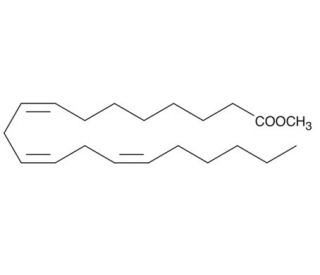
Dihomo-γ-Linolenic Acid methyl ester (CAS 21061-10-9)

0.0(0)
Write a reviewAsk a question

Application:
CAS Number:
21061-10-9
Molecular Weight:
320.5
Molecular Formula:
C21H36O2
Supplemental Information:
This is classified as a Dangerous Good for transport and may be subject to additional shipping charges.
For Research Use Only. Not Intended for Diagnostic or Therapeutic Use.
* Refer to Certificate of Analysis for lot specific data.

QUICK LINKS

Dihomo-γ-Linolenic Acid methyl ester, identified by the CAS number 21061-10-9, is the methyl ester derivative of Dihomo-γ-Linolenic Acid (DGLA), a polyunsaturated fatty acid with three double bonds. This compound is particularly notable for its role in the study of lipid metabolism and the biosynthetic pathways that lead to the formation of important eicosanoids. In non-medical research, Dihomo-γ-Linolenic Acid methyl ester serves as a crucial tool in exploring the enzymatic steps involved in the conversion of fatty acids into other biologically significant molecules. This includes studies on the activity of desaturase and elongase enzymes, which are key in the metabolic pathways that modify fatty acid structures and functions. Researchers utilize this ester to understand how specific fatty acids influence the physical properties of cellular membranes, including fluidity and permeability, which are essential for cell function and interaction with the environment. Additionally, the compound is used in agricultural and environmental sciences to examine how plants can be genetically engineered or bred to produce specific fatty acids that enhance their resistance to pests and diseases or improve their nutritional value. Such research provides valuable insights into the manipulation of lipid pathways, potentially leading to advances in crop science and sustainable agriculture practices.


Dihomo-γ-Linolenic Acid methyl ester (CAS 21061-10-9) References

  1. Minicystis rosea gen. nov., sp. nov., a polyunsaturated fatty acid-rich and steroid-producing soil myxobacterium.  |  Garcia, R., et al. 2014. Int J Syst Evol Microbiol. 64: 3733-3742. PMID: 25114157
  2. Chemical Analysis of Astragali Complanati Semen and Its Hypocholesterolemic Effect Using Serum Metabolomics Based on Gas Chromatography-Mass Spectrometry.  |  Sham, TT., et al. 2017. Antioxidants (Basel). 6: PMID: 28753987
  3. Evening primrose oil in the treatment of atopic eczema: effect on clinical status, plasma phospholipid fatty acids and circulating blood prostaglandins.  |  Schalin-Karrila, M., et al. 1987. Br J Dermatol. 117: 11-9. PMID: 3307886
  4. Ethyl carbamate regulate esters degradation by activating hydrolysis during Baijiu ripening.  |  Jia, W., et al. 2022. Food Res Int. 156: 111157. PMID: 35651023
  5. Essential fatty acids are antagonists of the leukotriene B4 receptor.  |  Yagaloff, KA., et al. 1995. Prostaglandins Leukot Essent Fatty Acids. 52: 293-7. PMID: 7630916
  6. Methylene-interrupted double bond in polyunsaturated fatty acid is an essential structure for metabolism by the fatty acid chain elongation system of rat liver.  |  Tanaka, T., et al. 1998. Biochim Biophys Acta. 1393: 299-306. PMID: 9748638

Ordering Information

Product NameCatalog #UNITPriceQtyFAVORITES

Dihomo-γ-Linolenic Acid methyl ester, 10 mg

sc-205291
10 mg
$44.00

Dihomo-γ-Linolenic Acid methyl ester, 50 mg

sc-205291A
50 mg
$134.00