
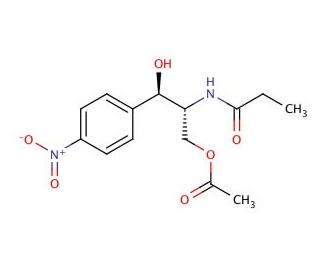

Corynecin V (CAS 40958-12-1)
LINK RAPIDI
La corinecina V è un composto antibatterico prodotto da alcuni ceppi di Corynebacterium, noto per la sua capacità di inibire la sintesi proteica batterica. Il suo meccanismo d'azione prevede il legame con i ribosomi batterici, in particolare con la subunità 50S, che interrompe la fase di allungamento della traduzione delle proteine. Questa inibizione impedisce la sintesi di proteine essenziali necessarie per la crescita e la sopravvivenza batterica, portando alla morte cellulare. La Corynecin V è particolarmente efficace contro i batteri Gram-positivi, il che la rende uno strumento prezioso per lo studio della funzione ribosomiale batterica e dei meccanismi di resistenza agli antibiotici. Nella ricerca, la Corynecin V è stata utilizzata per studiare gli aspetti strutturali e funzionali delle interazioni ribosomiali. Tecniche come la cristallografia a raggi X e la microscopia crioelettronica sono state impiegate per determinare i siti di legame precisi e i cambiamenti conformazionali indotti dalla Corynecin V sul ribosoma. Questi studi forniscono approfondimenti cruciali sulla dinamica molecolare dell'inibizione ribosomiale e contribuiscono a una più ampia comprensione dell'azione antibatterica. Inoltre, la Corynecin V funge da composto modello per lo sviluppo di nuovi antibiotici. Esplorando le sue interazioni di legame e i profili di resistenza, i ricercatori mirano a progettare derivati con una maggiore efficacia e una minore suscettibilità alla resistenza batterica. Sono stati condotti anche studi genetici sulle vie biosintetiche della Corynecin V, con l'identificazione e la manipolazione dei geni responsabili della sua produzione nel Corynebacterium. Nel complesso, la Corynecin V è un composto essenziale per la ricerca microbiologica e biochimica, che contribuisce in modo significativo allo studio dell'inibizione della sintesi proteica batterica e allo sviluppo di nuovi agenti antibatterici.
Corynecin V (CAS 40958-12-1) Referenze
- Le strutture delle corinecine, analoghi del cloramfenicolo prodotti da un batterio coltivato in n-paraffina | K Shirahata, T Hayashi, T Deguchi. 1972. Agricultural and Biological Chemistry. 36: 2229-2232.
Informazioni ordini
| Nome del prodotto | Codice del prodotto | UNITÀ | Prezzo | Quantità | Preferiti | |
Corynecin V, 1 mg | sc-391484 | 1 mg | $125.00 |