
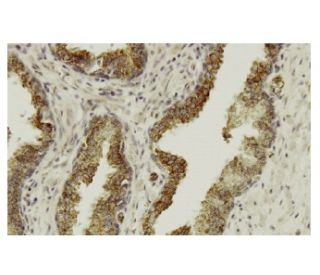
Aladin Antibody (3E9): sc-100321
- Aladin Antibody (3E9) is a mouse monoclonal IgG2a κ, cited in 1 publications, provided at 100 µg/ml
- raised against recombinant Aladin of human origin
- recommended for detection of Aladin of mouse, rat and human origin by WB, IP, IF, IHC(P) and ELISA
- At present, we have not yet completed the identification of the preferred secondary detection reagent(s) for Aladin Antibody (3E9). This work is in progress.

QUICK LINKS
SEE ALSO...
Aladin Antibody (3E9) is a mouse monoclonal IgG2a antibody that detects Aladin in mouse, rat, and human samples through various applications including western blotting (WB), immunoprecipitation (IP), immunofluorescence (IF), immunohistochemistry with paraffin-embedded sections (IHCP), and enzyme-linked immunosorbent assay (ELISA). Aladin, a member of the WD repeat-containing protein family, plays a crucial role in the development of both the peripheral and central nervous systems, making Aladin essential for proper neurological function. Aladin is predominantly expressed in the pituitary gland, corpus callosum, cerebellum, adrenal gland, and gastrointestinal structures, highlighting Aladin′s importance in diverse physiological processes. Notably, defects in Aladin are linked to the autosomal recessive disorder known as achalasia-addisonianism-alacrima (triple A) syndrome, which manifests through symptoms such as achalasia, alacrima, and adrenal insufficiency resistant to adrenocorticotropic hormone. The robust expression of Aladin in neural systems that govern cognitive, motor, and sensory functions correlates with the complex symptoms experienced by patients suffering from triple A syndrome, underscoring Aladin′s significance in maintaining neurological health. Anti-Aladin antibody (3E9) serves as an invaluable tool for researchers investigating the molecular mechanisms underlying these conditions and the broader implications of Aladin in cellular signaling and development.
Ordering Information
| Product Name | Catalog # | UNIT | Price | Qty | FAVORITES | |
Aladin Antibody (3E9) | sc-100321 | 100 µg/ml | $339.00 |