
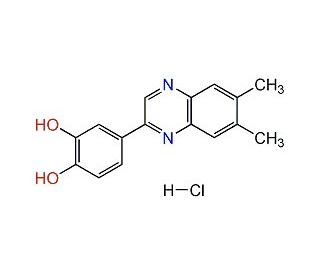

AG 1433 Hydrochloride
QUICK LINKS
AG 1433 HCl is a chemical that functions as an inhibitor of protein-protein interactions. AG 1433 HCl binds to specific target proteins, disrupting their ability to interact with other proteins within the cellular environment. This leads to the modulation of various cellular processes, including signal transduction and gene expression. Inhibiting these protein-protein interactions, AG 1433 HCl can potentially impact the regulation of key pathways involved in cell growth, differentiation, and survival. This chemical′s mechanism of action involves the disruption of specific protein complexes influencing the cellular response to various stimuli. In a research and development setting, AG 1433 HCl′s functional role lies in its ability to perturb protein-protein interactions, providing insights into the underlying mechanisms of cellular signaling .
AG 1433 Hydrochloride References
- Activation of p53 by oxidative stress involves platelet-derived growth factor-beta receptor-mediated ataxia telangiectasia mutated (ATM) kinase activation. | Chen, K., et al. 2003. J Biol Chem. 278: 39527-33. PMID: 12890678
- High glucose-induced upregulation of Rho/Rho-kinase via platelet-derived growth factor receptor-beta increases migration of aortic smooth muscle cells. | Akiyama, N., et al. 2008. J Mol Cell Cardiol. 45: 326-32. PMID: 18561944
- Targeting the VEGF and PDGF signaling pathway in glioblastoma treatment. | Popescu, AM., et al. 2015. Int J Clin Exp Pathol. 8: 7825-37. PMID: 26339347
- Silencing of epidermal growth factor, latrophilin and seven transmembrane domain-containing protein 1 (ELTD1) via siRNA-induced cell death in glioblastoma. | Serban, F., et al. 2017. J Immunoassay Immunochem. 38: 21-33. PMID: 27379831
- Flk-1 as a target for tumor growth inhibition. | Strawn, LM., et al. 1996. Cancer Res. 56: 3540-5. PMID: 8758924
- The vascular endothelial growth factor receptor KDR activates multiple signal transduction pathways in porcine aortic endothelial cells. | Kroll, J. and Waltenberger, J. 1997. J Biol Chem. 272: 32521-7. PMID: 9405464
Ordering Information
| Product Name | Catalog # | UNIT | Price | Qty | FAVORITES | |
AG 1433 Hydrochloride, 5 mg | sc-221220 | 5 mg | $117.00 |