
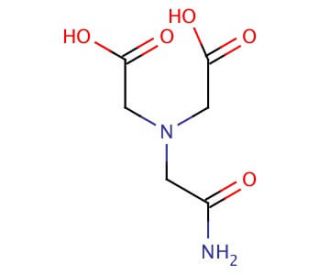

ADA (CAS 26239-55-4)
See product citations (1)
QUICK LINKS
ADA, or adenosine deaminase, is an enzyme widely studied within biochemical research for its critical role in purine metabolism, where it catalyzes the irreversible deamination of adenosine to inosine. In research applications, ADA is pivotal for investigating metabolic pathways associated with nucleic acids and energy transfer. Scientists use this enzyme to study cellular metabolism and regulatory mechanisms that maintain nucleotide balance within cells, essential for proper cellular function and survival. ADA′s activity is also utilized in enzymology to understand the kinetics of enzyme-catalyzed reactions, providing insights into enzyme mechanism, specificity, and inhibition. This has broader implications in the field of biochemistry, particularly in understanding how alterations in enzyme activity affect metabolic disorders. In the realm of biotechnology, ADA is employed in the synthesis of nucleoside analogs, which are useful as biochemical tools in molecular biology experiments and as potential lead compounds in drug discovery for diseases linked to purine metabolism dysregulation. Through its application in these areas, ADA offers a profound window into cellular and enzymatic functions, enhancing our understanding of fundamental biological processes in a purely research-focused context.
ADA (CAS 26239-55-4) References
- Immobilized pH gradients: effect of salts, added carrier ampholytes and voltage gradients on protein patterns. | Righetti, PG., et al. 1988. Electrophoresis. 9: 65-73. PMID: 3234339
- The histone H3-H4 tetramer is a copper reductase enzyme. | Attar, N., et al. 2020. Science. 369: 59-64. PMID: 32631887
- The crystal structure of vaccinia virus protein E2 and perspectives on the prediction of novel viral protein folds. | Gao, WND., et al. 2022. J Gen Virol. 103: PMID: 35020582
- Effects of Peppermint Essential Oil on Learning and Memory Ability in APP/PS1 Transgenic Mice. | Lv, X., et al. 2022. Molecules. 27: PMID: 35408451
- Crystal structure of the BREX phage defence protein BrxA. | Beck, IN., et al. 2022. Curr Res Struct Biol. 4: 211-219. PMID: 35783086
- Combined Thermodynamic, Theoretical, and Biological Study for Investigating N-(2-Acetamido)iminodiacetic Acid as a Potential Thorium Decorporation Agent. | Sharma, S., et al. 2023. Inorg Chem. 62: 18887-18900. PMID: 37922372
- Metabolomics assisted by transcriptomics analysis to reveal metabolic characteristics and potential biomarkers associated with treatment response of neoadjuvant therapy with TCbHP regimen in HER2 + breast cancer. | Zhang, N., et al. 2024. Breast Cancer Res. 26: 64. PMID: 38610016
- The role of histone H3 leucine 126 in fine-tuning the copper reductase activity of nucleosomes. | Tod, NP., et al. 2024. J Biol Chem. 300: 107314. PMID: 38657861
- Free metal ion depletion by 'Good's' buffers. III. N-(2-acetamido)iminodiacetic acid, 2:1 complexes with zinc(II), cobalt(II), nickel(II), and copper(II); amide deprotonation by Zn(II), Co(II), and Cu(II). | Lance, EA., et al. 1983. Anal Biochem. 133: 492-501. PMID: 6314846
- Identification of metallothionein isoforms with capillary zone electrophoresis using a polyacrylamide-coated tube. | Minami, T., et al. 1996. J Chromatogr B Biomed Appl. 685: 353-9. PMID: 8953179
Ordering Information
| Product Name | Catalog # | UNIT | Price | Qty | FAVORITES | |
ADA, 25 g | sc-254936 | 25 g | $51.00 | |||
ADA, 100 g | sc-254936A | 100 g | $117.00 |