
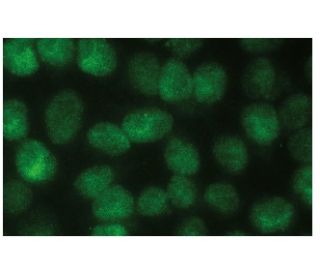


PARP1 Antibody (42): sc-136208
- PARP1 Antibody (42) is a mouse monoclonal IgG1, cited in 22 publications, provided at 50 µg/0.5 ml
- raised against amino acids 22-219 of PARP-1 of human origin
- recommended for detection of PARP-1 of mouse, rat and human origin by WB, IP and IF; also reactive with additional species, including canine
- See PARP1 (F-2): sc-8007 for PARP1 antibody conjugates, including AC, HRP, FITC, PE, Alexa Fluor® 488, 594, 647, 680 and 790.
- At present, we have not yet completed the identification of the preferred secondary detection reagent(s) for PARP1 Antibody (42). This work is in progress.

PARP-1 Antibody (42) is a mouse monoclonal IgG1 antibody raised against amino acids 22-219 of human PARP-1, with reactivity in mouse, rat, canine, and human samples, making anti-PARP-1 antibody (42) effective for applications such as western blotting (WB), immunoprecipitation (IP), and immunofluorescence (IF). PARP-1, also called poly(ADP-ribose) polymerase-1, ARTD1, Adprt, and Parp1, is a nuclear DNA-binding protein involved in critical cellular processes such as DNA repair, chromatin remodeling, and apoptosis. One of the key post-translational modifications of PARP-1 is poly(ADP-ribosyl)ation, a process where PARP-1 catalyzes the transfer of ADP-ribose units from NAD+ to itself and various target proteins, including histones and other chromatin-associated proteins, particularly in response to DNA damage. This modification is essential for modulating the structure of chromatin, facilitating DNA repair by loosening the chromatin structure to allow repair proteins access to damaged DNA. Poly(ADP-ribosyl)ation is also crucial in regulating protein-protein interactions, influencing processes like transcription and cell death pathways. Cleavage of PARP-1 during apoptosis by caspases results in the production of an 89-kDa fragment (p89), which relocates to the cytoplasm and contributes to apoptotic progression. These post-translational modifications are vital for PARP-1′s function in maintaining genomic stability, preventing mutations, and supporting cellular homeostasis, particularly under conditions of genotoxic stress. PARP-1 (42) monoclonal antibody is an exceptionally reliable and versatile reagent that empowers researchers to thoroughly investigate PARP-1′s critical roles in DNA repair, chromatin remodeling, and apoptosis across multiple species and experimental applications.
Ordering Information
| Product Name | Catalog # | UNIT | Price | Qty | FAVORITES | |
PARP1 Antibody (42) | sc-136208 | 50 µg/0.5 ml | $322.00 |