
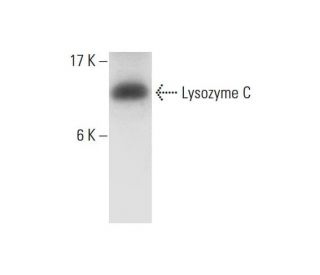


WiDr Cell Lysate: sc-24779
- 500 µg protein in 200 µl SDS-PAGE Western blotting buffer
- human whole cell lysate; colon adenocarcinoma cells
- whole cell lysate provided as Western blotting positive control
- should be stored at -20°C and repeated freezing and thawing should be minimized
- sample vial should be placed at 95° C for up to 5 minutes, once prior to use

QUICK LINKS
SEE ALSO...
WiDr Cell Lysate is derived from HT-29, a a human colorectal adenocarcinoma cell line. This lysate is extensively used in cancer research to investigate the molecular mechanisms underlying colorectal cancer progression and metastasis. WiDr cells exhibit mutations in key oncogenes and tumor suppressors, such as the KRAS and TP53 genes, making the lysate a valuable resource for studying signaling pathways involved in tumor growth and survival. Researchers utilize WiDr Cell Lysate to analyze the activation states and interactions of proteins within the Wnt/β-catenin, MAPK/ERK, and PI3K/AKT pathways using techniques like western blotting, immunoprecipitation, and mass spectrometry. This lysate helps in identifying post-translational modifications and protein-protein interactions that drive cancer cell proliferation and invasion. Additionally, WiDr Cell Lysate is used to assess the effects of chemical modulators on gene expression and protein activity, providing insights into the cellular processes that contribute to colorectal cancer pathogenesis. By comparing WiDr lysates with those from normal colonic epithelial cells, scientists can explain the molecular alterations specific to cancer cells. The use of WiDr Cell Lysate in these studies is crucial for advancing our understanding of colorectal cancer biology and identifying potential molecular targets for further research.
WiDr Cell Lysate References:
- Chemo-immunotherapy of metastatic colorectal carcinoma with gemcitabine plus FOLFOX 4 followed by subcutaneous granulocyte macrophage colony-stimulating factor and interleukin-2 induces strong immunologic and antitumor activity in metastatic colon cancer patients. | Correale, P., et al. 2005. J Clin Oncol. 23: 8950-8. PMID: 16061910
- Characterization of a polyclonal antiserum against the purified human recombinant calcium binding protein calretinin. | Schwaller, B., et al. 1993. Cell Calcium. 14: 639-48. PMID: 8242719
- Molecular cloning of a human transmembrane-type protein tyrosine phosphatase and its expression in gastrointestinal cancers. | Matozaki, T., et al. 1994. J Biol Chem. 269: 2075-81. PMID: 8294459
Ordering Information
| Product Name | Catalog # | UNIT | Price | Qty | FAVORITES | |
WiDr Cell Lysate | sc-24779 | 500 µg/200 µl | $120.00 |