
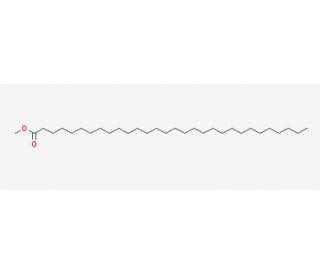

Methyl melissate (CAS 629-83-4)
LINK RAPIDI
Il metil melissato, un composto naturale derivato dalla pianta di lavanda, è stato ampiamente studiato in diverse applicazioni di ricerca scientifica grazie alle sue proprietà chimiche uniche e alle sue attività biologiche. I ricercatori hanno utilizzato questo composto per studiare i suoi meccanismi d'azione in biologia vegetale, biochimica e scienze ambientali. In particolare, gli studi hanno dimostrato che il melissato di metile può modulare l'attività di enzimi coinvolti nelle risposte di difesa delle piante, come le lipossigenasi e le idroperossido liasi, e regolare l'espressione di geni coinvolti nelle risposte agli stress delle piante. Inoltre, questo composto è stato utilizzato come sistema modello per studiare i meccanismi delle interazioni tra piante e impollinatori, compreso il ruolo dei composti organici volatili nell'attrarre gli impollinatori. Inoltre, il metil melissato è stato utilizzato nello studio dell'inquinamento ambientale, consentendo ai ricercatori di studiare gli effetti degli inquinanti sulla crescita e sullo sviluppo delle piante. In particolare, questo composto è stato utilizzato come substrato in saggi enzimatici per studiare l'attività di enzimi coinvolti nel metabolismo delle piante, fornendo approfondimenti sulla regolazione della crescita e dello sviluppo delle piante in condizioni di stress. Nel complesso, le applicazioni di ricerca scientifica del melissato di metile hanno contribuito in modo significativo alla comprensione della biologia delle piante, della biochimica e delle scienze ambientali.
Methyl melissate (CAS 629-83-4) Referenze
- Glicoside etilico sostitutivo inibitore della lipossigenasi da Symplocos racemosa. | Abbasi, MA., et al. 2005. Nat Prod Res. 19: 509-15. PMID: 15938197
- I costituenti chimici delle specie australiane di Flindersia. XV. I costituenti della Flindersia acuminata CT White. | White, C. T., et al. 1961. Australian Journal of Chemistry. 14.3: 469-470.
- Composizione delle cere superficiali delle foglie di specie di Triticum: variazione con l'età e il tessuto. | Tulloch, Alexander P. 1973. Phytochemistry. 12.9: 2225-2232.
- Acidi 15, 18, 21, 24-triacontatetraenoici e 15, 18, 21, 24, 27-triacontapentaenoici: nuovi acidi grassi C 30 della spugna marina Cliona celata. | Litchfield, Carter, et al. 1979. Lipids. 14: 619-622.
- La crescita epitassiale del cristallo di triacontanoato di metile. | Ueda, Yasukiyo. 1986. Bulletin of the Chemical Society of Japan. 59.12: 3775-3779.
- Bis (2, 2′-bipiridina)(4, 4′-diuntriacontanyl-2, 2′-bipiridina)-rutenio (II) cloruro e relativi complessi idrofobici. | Seddon, Kenneth R. and Yousif Z. Yousif. 1986. Transition Metal Chemistry. 11: 443-446.
- Effetto della lunghezza della catena e dei gruppi terminali sulla crescita epitassiale di molecole a catena lunga. | Ueda, Yasukiyo. 1987. Bulletin of the Chemical Society of Japan. 60.6: 2011-2017.
- Cere epicuticolari di Abies balsamea e Picea glauca: presenza di esteri metilici a catena lunga. | Tulloch, Alexander P. 1987. Phytochemistry. 26.4: 1041-1043.
- UNA NUOVA VIA PER LA SINTESI DI 1-TRIACONTANOLO. | Rao, B. V. S. K. and R. Supharao. 1992. Organic preparations and procedures international. 24.1: 67-70.
- Nuova sintesi di 1-triacontanolo, uno stimolatore della crescita delle piante, mediante accoppiamento incrociato di Kolbe. | Kida, Yoshishige, et al. 1995. Journal of Japan Oil Chemists' Society. 44.3: 203-206.
Informazioni ordini
| Nome del prodotto | Codice del prodotto | UNITÀ | Prezzo | Quantità | Preferiti | |
Methyl melissate, 100 mg | sc-328872 | 100 mg | $213.00 | |||
Methyl melissate, 1 g | sc-328872A | 1 g | $1165.00 |