
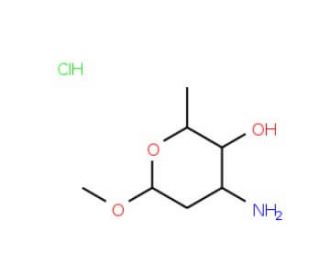

Methyl β-L-Daunosamine Hydrochloride
QUICK LINKS
Methyl β-L-daunosamine hydrochloride, a derivative of the anthracycline antibiotic daunorubicin, has garnered significant attention in scientific research, particularly in the field of chemical biology and drug development. This compound serves as a valuable tool for studying DNA intercalation, a mechanism crucial for its antitumor activity. Its structural similarity to daunorubicin allows researchers to investigate the interactions between anthracyclines and DNA, elucidating the molecular basis of their cytotoxic effects on cancer cells. Additionally, methyl β-L-daunosamine hydrochloride has been employed in the synthesis of novel analogs with improved pharmacological properties, such as enhanced potency and reduced cardiotoxicity, addressing limitations associated with traditional anthracycline chemotherapy. Furthermore, this chemical plays a role in exploring multidrug resistance mechanisms in cancer cells, providing insights into strategies for overcoming treatment resistance. Beyond oncology, methyl β-L-daunosamine hydrochloride finds applications in probing carbohydrate-mediated interactions and glycosylation processes, contributing to the development of glycoconjugates and glycomimetics for various research purposes. Its versatility and utility in diverse research areas highlight its importance as a molecular tool for investigating biological phenomena and advancing scientific knowledge.
Ordering Information
| Product Name | Catalog # | UNIT | Price | Qty | FAVORITES | |
Methyl β-L-Daunosamine Hydrochloride, 25 mg | sc-218722 | 25 mg | $300.00 |