
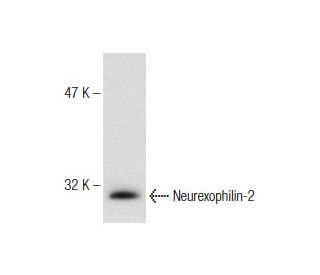


H4 Cell Lysate: sc-2408
- 500 µg protein in 200 µl SDS-PAGE Western blotting buffer
- human whole cell lysate; neuroglioma cells
- whole cell lysate provided as Western blotting positive control
- should be stored at -20°C and repeated freezing and thawing should be minimized
- sample vial should be placed at 95° C for up to 5 minutes, once prior to use

QUICK LINKS
SEE ALSO...
H4 cell lysate is derived from the H4 cell line, originally established from a human neuroglioma. This lysate is widely utilized in neurobiological research to study the mechanisms underlying neurodegenerative diseases and glioma progression. Researchers use H4 cell lysate to investigate the molecular pathways involved in neuronal differentiation, apoptosis, and cellular responses to oxidative stress. Key signaling pathways such as MAPK/ERK, PI3K/Akt, and NF-κB are often analyzed using this lysate to understand their roles in cell survival and proliferation. The H4 cell line is known for its utility in studying the processing and aggregation of amyloid precursor protein (APP), making it particularly valuable in Alzheimer's disease research. Investigations often focus on the cleavage of APP by secretases and the formation of amyloid-beta peptides, which are crucial for understanding the pathogenesis of Alzheimer's. Additionally, the lysate aids in exploring the cellular impact of mutated proteins associated with neurodegenerative conditions. Using H4 cell lysate, researchers can also study the cellular effects of various neurotoxic compounds and the efficacy of potential neuroprotective agents.
H4 Cell Lysate References:
- Analysis of aryl hydrocarbon receptor-mediated signaling during physiological hypoxia reveals lack of competition for the aryl hydrocarbon nuclear translocator transcription factor. | Pollenz, RS., et al. 1999. Mol Pharmacol. 56: 1127-37. PMID: 10570039
- Evidence for an innate immune response in the immature human intestine: toll-like receptors on fetal enterocytes. | Fusunyan, RD., et al. 2001. Pediatr Res. 49: 589-93. PMID: 11264445
- Anti-Argonaute RIP-Chip shows that miRNA transfections alter global patterns of mRNA recruitment to microribonucleoprotein complexes. | Wang, WX., et al. 2010. RNA. 16: 394-404. PMID: 20042474
- Ubiquilin-2 (UBQLN2) binds with high affinity to the C-terminal region of TDP-43 and modulates TDP-43 levels in H4 cells: characterization of inhibition by nucleic acids and 4-aminoquinolines. | Cassel, JA. and Reitz, AB. 2013. Biochim Biophys Acta. 1834: 964-71. PMID: 23541532
- Sequence and tissue distribution of the human integrin alpha 8 subunit: a beta 1-associated alpha subunit expressed in smooth muscle cells. | Schnapp, LM., et al. 1995. J Cell Sci. 108 (Pt 2): 537-44. PMID: 7768999
Ordering Information
| Product Name | Catalog # | UNIT | Price | Qty | FAVORITES | |
H4 Cell Lysate | sc-2408 | 500 µg/200 µl | $120.00 |