
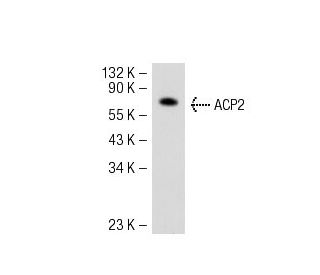


ACP2 Antibody (4B5): sc-100344
- ACP2 Antibody (4B5) is a mouse monoclonal IgG2b λ, cited in 3 publications, provided at 100 µg/ml
- raised against recombinant ACP2 of human origin
- recommended for detection of ACP2 of human origin by WB, IP, IF, IHC(P) and ELISA
- At present, we have not yet completed the identification of the preferred secondary detection reagent(s) for ACP2 Antibody (4B5). This work is in progress.

QUICK LINKS
ACP2 Antibody (4B5) is a mouse monoclonal IgG2b antibody that detects ACP2 in human samples through western blotting (WB), immunoprecipitation (IP), immunofluorescence (IF), immunohistochemistry with paraffin-embedded sections (IHCP), and enzyme-linked immunosorbent assay (ELISA). ACP2, also known as lysosomal acid phosphatase, is a 423 amino acid enzyme belonging to the histidine acid phosphatase family, and plays a crucial role in lysosomal function by hydrolyzing orthophosphoric monoesters into alcohols and phosphates. This enzymatic activity is vital for cellular metabolism and recycling of cellular components, particularly in maintaining the acidic environment of lysosomes, which is essential for optimal enzyme function. ACP2 is primarily localized within the lysosomal compartment, where ACP2 contributes to the degradation of various biomolecules, thus facilitating cellular homeostasis. Deficiencies in the ACP2 gene can lead to severe health issues, including acid phosphatase deficiency, which manifests in early infancy with symptoms such as terminal bleeding, opisthotonos, hypotonia, lethargy, and intermittent vomiting, ultimately resulting in a high mortality rate. Anti-ACP2 antibody (4B5) is an invaluable tool for researchers studying lysosomal function and related pathologies, providing insights into ACP2′s role in both normal physiology and disease states.
Ordering Information
| Product Name | Catalog # | UNIT | Price | Qty | FAVORITES | |
ACP2 Antibody (4B5) | sc-100344 | 100 µg/ml | $339.00 |